
Tarnishing of Gold
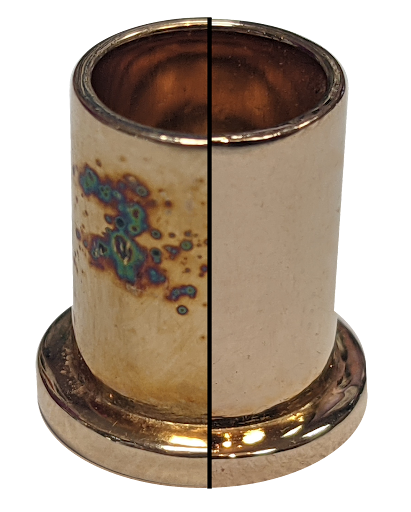
Gold corrosion often appears darker than the rest of the piece and is much more common in moist areas of the body, such as the nose, mouth, and genitals. It can also occur when mixed metals, such as steel threading joined to a gold top, are present.
Tarnishing can be significantly accelerated with the introduction of lotions, hairsprays, detergents, perfume, and sweat.
As gold is an alloy of various materials, the higher the karat of gold, the fewer impurities are present, and therefore, the less chance of tarnishing during normal wear.
Sulphur and oxygen are the primary causes of gold jewellery tarnish. Bleach, ammonia, and chlorine will all drastically increase tarnishing and are often found in:
| – Shampoo (especially Anti-dandruff products) – Hair spray – Body and facial soaps | – Swimming (both Chlorine and saltwater) – Cosmetic creams – Various beauty aids |
Removing Tarnishing
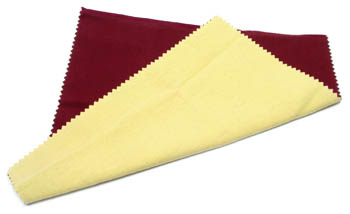
This discolouration is usually easily removed by hand by lightly polishing with an iron oxide-impregnated rouge cloth. These cloths should be single-use for worn jewellery in a studio setting, but clients are more commonly suggested to purchase their own for personal use.
Although some jewellers suggest using a soft toothbrush and toothpaste, this can often be too abrasive for finer pieces and may result in scratches on the wearing surface. It is not required or recommended for high-quality body jewellery.
Generally, tarnishing will occur on the wearing surface and is easily reached; however, if the tarnishing is behind a gem or in a position that is not accessible to polish, you should contact the manufacturer for warranty assistance.
Step by Step
- Remove jewellery from the piercing (when possible)
- Keep the cloth dry. Do NOT use anything on it – even water
- Use the red cloth, pinch your jewellery between your thumb and finger, and gently rub. You will see some discolouration coming off onto the fabric and a small amount on the jewellery
- After 10-15 seconds of rubbing, look at the piece and check for any missed spots. Repeat if necessary.
- Use the yellow cloth to buff and polish the piece to a lustre, removing any red material left from polishing.
- Repeat when necessary and keep the cloth in a dry, cool place.
Source

SUBMIT A RETURN